Pakol
The Pakol
Types, colors, history, cultural significance, and where to buy authentic Pakol caps — handcrafted in the tradition of Chitral & Afghanistan.
What is a Pakol?
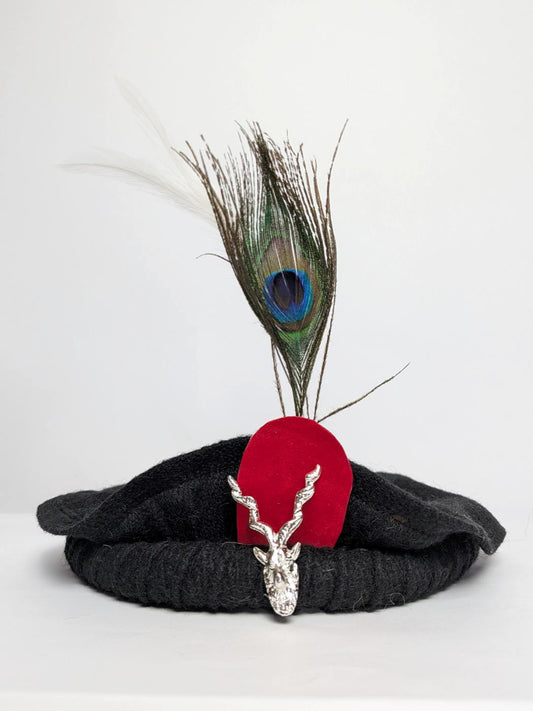
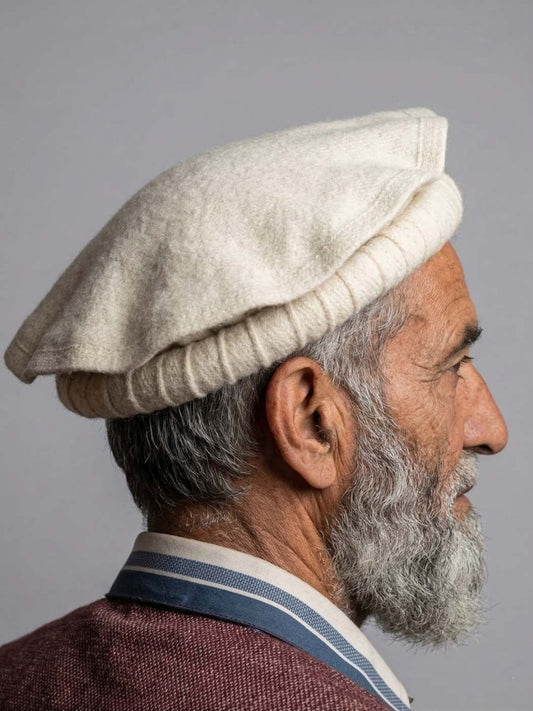
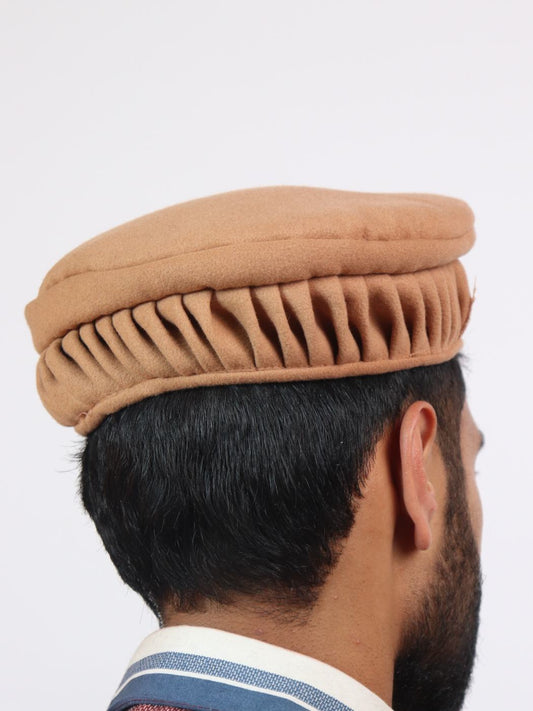
The Pakol is a traditional woolen cap known for its cultural importance, comfort, and timeless appeal. Widely worn in mountainous regions of Afghanistan and northern Pakistan, it has become a recognizable symbol of heritage — a soft, round cap made from wool, featuring a flat crown and a rolled brim.
Its flexible design allows it to be styled in different ways, making it both practical and visually appealing for everyday wear, ceremonial occasions, and outdoor life in cold highland climates.
"The Pakol is more than a cap — it is a declaration of where you come from and who you are."
Origin of the Pakol
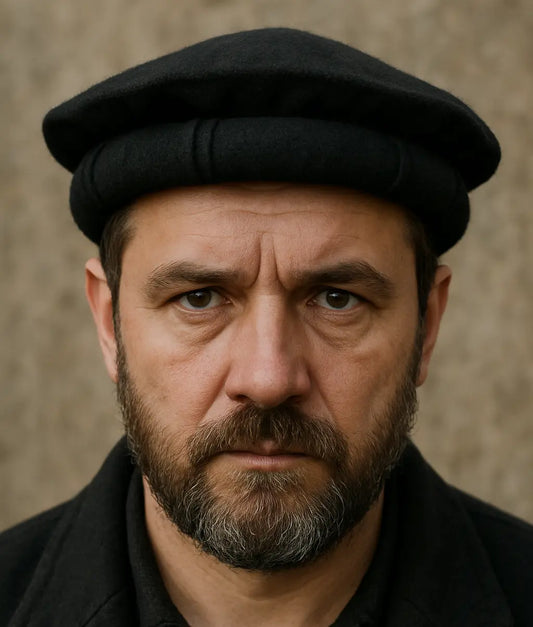
The Pakol originated in the rugged mountain corridors connecting Afghanistan and northern Pakistan. It is especially associated with Chitral — a district in Khyber Pakhtunkhwa — where it has been worn for generations as a practical and symbolic head covering.
Referred to locally in various dialects, the cap spread through trade routes and migrations, finding a permanent home in the wardrobes of shepherds, soldiers, poets, and politicians alike across Central and South Asia.
History of the Pakol
Early Beginnings
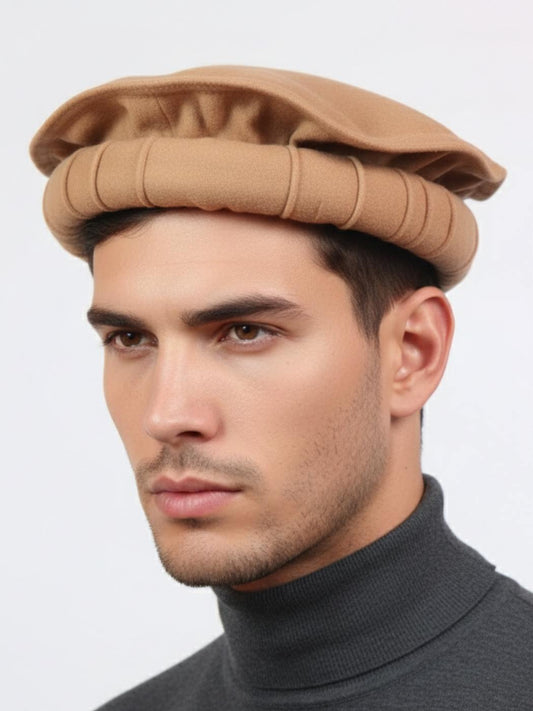
The Pakol dates back several centuries, originally worn by shepherds and villagers navigating the cold, high-altitude terrain of the Hindu Kush and Karakoram ranges. Its dense wool construction made it ideal for insulation against biting mountain winds, functioning as much as survival gear as cultural expression.
Influence of Regional Cultures
As civilizations in Central Asia rose and fell, trading posts flourished, and empires stretched across the plateau, the Pakol traveled with the people — adapting to new cultural preferences while maintaining its essential form. By the 20th century, it had become a near-universal symbol of Pashtun and Chitrali identity, worn by warriors, farmers, and intellectuals alike.
Its global profile increased dramatically during the Soviet-Afghan War of the 1980s, when images of Mujahideen fighters wearing Pakols reached audiences worldwide through journalism and photography.
Cultural Significance of Pakol
Pakol in Afghan Culture
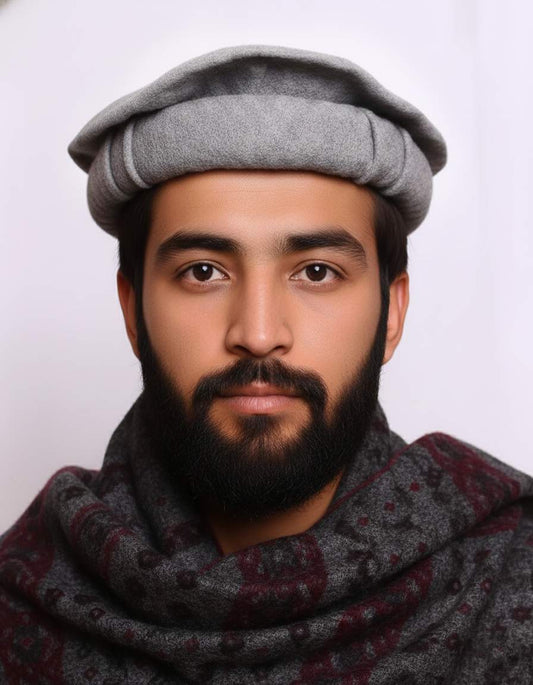
In Afghanistan, the Pakol is commonly worn and represents tradition and identity. Across ethnic groups — Pashtun, Tajik, Nuristani — the Pakol transcends tribal lines, appearing at cultural gatherings, weddings, and everyday street life in cities and villages alike.
Pakol in Pakistani Traditions
In Pakistan, particularly in the northern regions of Chitral, Gilgit-Baltistan, and Khyber Pakhtunkhwa, the Pakol is an essential part of traditional clothing. It is prominently worn during festivals such as the Shandur Polo Festival and Eid celebrations, as well as in day-to-day life by men of all ages.
Symbol of Identity and Pride
Beyond geography, the Pakol symbolizes cultural heritage and resilience — reflecting a deep, unbroken connection to regional traditions in the face of modernization. Today it is increasingly worn as a conscious cultural statement by diaspora communities worldwide.
Types of Pakol
Traditional Chitrali Pakol
The most common and widely recognized type, the Chitrali Pakol features an authentic rolled-brim design made from natural undyed wool. It sits close to the head and is celebrated for its clean simplicity and cultural authenticity. Widely worn in Chitral and nearby regions, it is the benchmark against which all other styles are measured.
Handmade Wool Pakol
Handcrafted Pakols are produced using traditional artisan techniques passed down through generations. These are highly valued for their durability, texture, and uniqueness — no two handmade Pakols are exactly alike. Each one carries the fingerprint of its maker.
Modern Variants, Embroidered & Special Editions
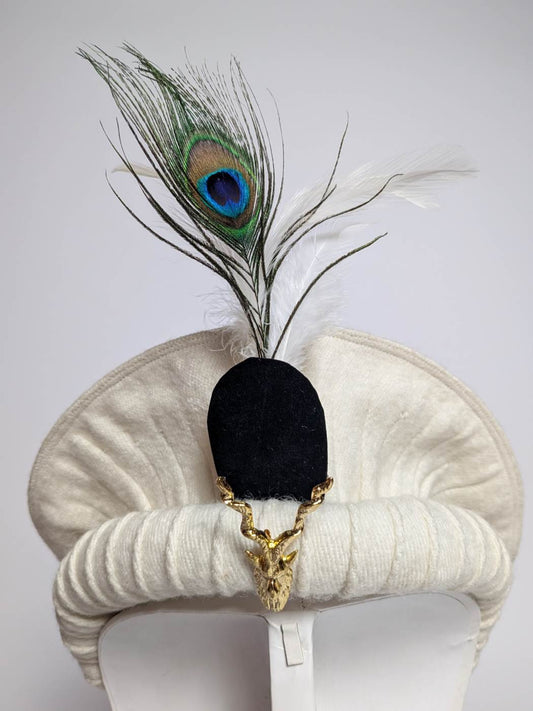
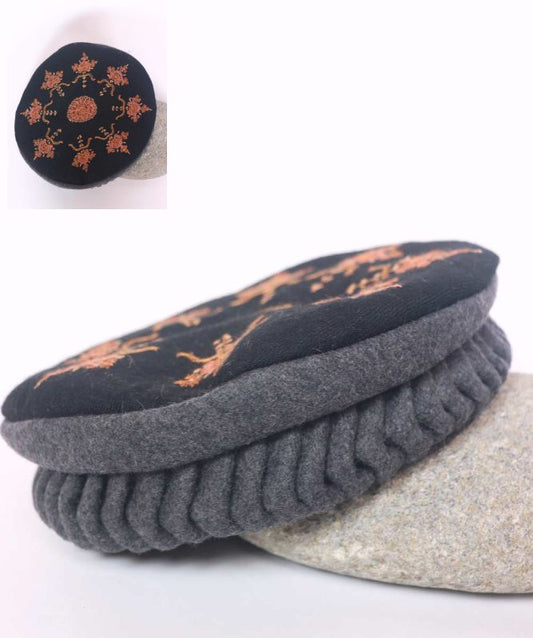
Contemporary Pakols may incorporate Sozni embroidery, velvet fabrics, decorative feathers, and Markhor emblems. Twisted and zig-zag brim designs have emerged as popular modern variations that retain the classic silhouette while adding visual texture and character. Special Chitrali editions with hand-embroidered floral patterns represent the pinnacle of Pakol craftsmanship.
Pakol Colors & Their Meaning
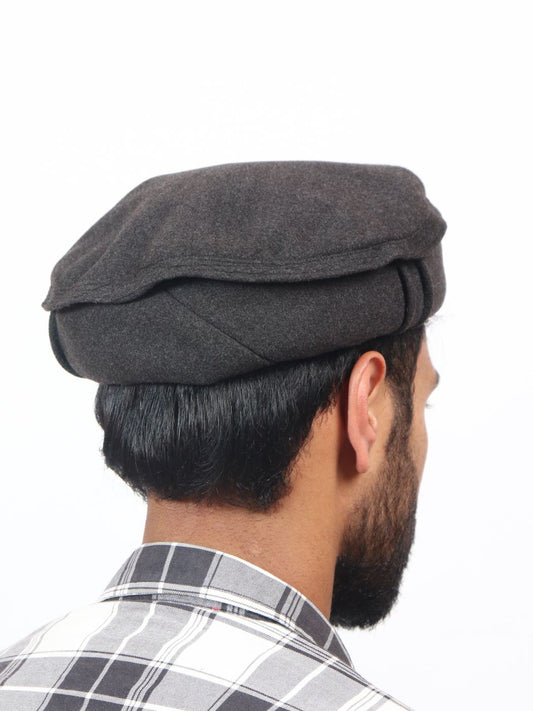
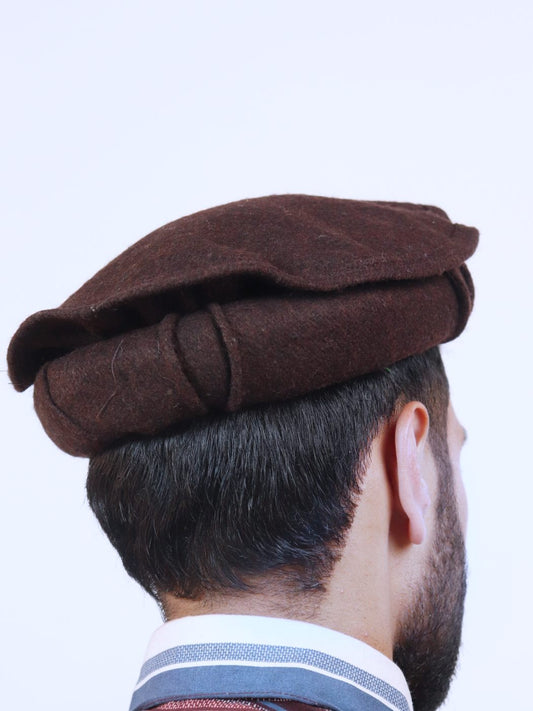
The color of a Pakol carries subtle cultural and contextual significance. Traditional Pakols are largely produced in natural, undyed wool tones, while contemporary versions explore a broader palette.
Neutral tones — particularly earthy greens, greys, and goldens — remain the preferred choice for traditional and daily wear. Darker shades like black suit formal settings, while off-white Pakols carry an air of ceremonial distinction.
Materials & Craftsmanship
Traditional Wool
Authentic Pakols are made from natural wool — most commonly from sheep native to the highland regions of Afghanistan and Pakistan. The wool is prized for its thickness, natural lanolin content, and ability to insulate without becoming too heavy. Skilled artisans use time-tested methods passed down over centuries to create each piece.
Embroidered Variants
Higher-end Pakols feature Sozni (needle work) embroidery — a delicate hand-embroidery tradition from Kashmir — applied to the brim and crown. These embroidered pieces represent a fusion of two great craft traditions of the Himalayan corridor.
Variations in Quality
The quality of a Pakol depends on two primary factors: the grade of wool used and the level of craftsmanship. Handmade versions using single-origin highland wool are generally superior in durability, softness, and shape retention compared to machine-made alternatives.
"A handmade Pakol does not merely cover your head — it carries the hands of its maker with you."
How a Pakol is Made
The production of an authentic Pakol is a deliberate, skill-intensive process. Each step contributes to the finished cap's character and longevity:
- Wool Preparation: Raw wool is cleaned, combed, and de-tangled to remove impurities and prepare it for spinning.
- Spinning: The cleaned wool is spun into yarn of consistent thickness, traditionally on a hand spindle.
- Knitting or Felting: The yarn is shaped into the circular, flat-crown cap form using either knitting needles or wet-felting techniques.
- Brim Rolling: The wide lower band is tightly rolled upward to form the distinctive multi-layer rolled brim — the defining visual feature of the Pakol.
- Finishing: The cap is steamed or blocked to set its shape, inspected for quality, and trimmed if needed. Embroidered editions receive their needlework at this stage.
Where to Buy Authentic Pakol
Local Markets
Traditional Pakols can be found in bazaars across Afghanistan and Pakistan — particularly in Kabul, Peshawar, Chitral, and Gilgit. These markets offer direct access to artisan-made pieces with deep regional character.
Online — Sarposhi.com
For buyers across India and worldwide, Sarposhi.com offers a curated collection of 18+ premium Pakol caps — from classic Chitrali wool styles to embroidered and velvet editions. Based in India, they ship pan-India and internationally. Browse the full collection at: sarposhi.com/collections/pakol-caps
You can also read more about the Pakol's cultural history at Wikipedia — Pakol.
Pakol vs. Other Traditional Hats
The Pakol occupies a distinct space in the landscape of traditional South and Central Asian headwear. Here's how it compares:
| Cap | Material | Style | Occasion | Region |
|---|---|---|---|---|
| Pakol | Soft wool | Rolled brim, flat crown | Everyday & ceremonial | Afghanistan, N. Pakistan |
| Karakul | Astrakhan fur | Structured, fitted | Formal, political | Central Asia, Afghanistan |
| Turban | Cloth, wrapped | Draped, variable | Religious & everyday | South Asia, Middle East |
| Topi | Embroidered fabric | Stiff, embroidered | Formal & religious | Pakistan, South Asia |
How to Wear, Buy & Care for Your Pakol
Styling Tips
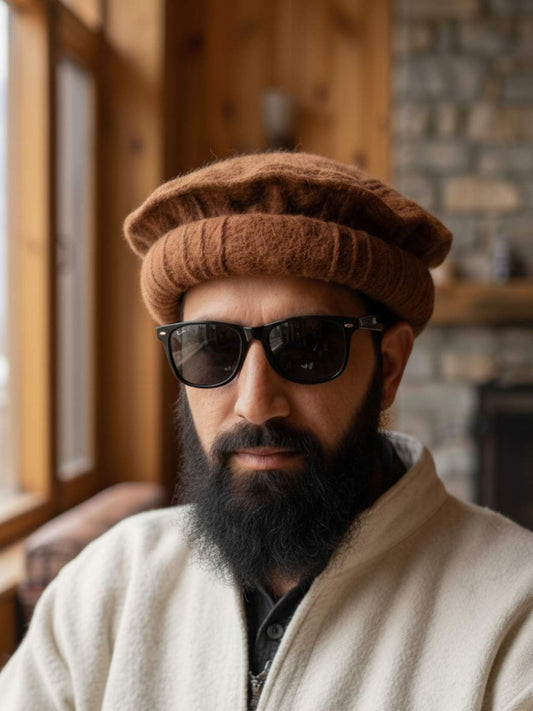
- Adjust the rolled brim for a snug, secure fit — it should sit just above the ears
- Wear it straight for a traditional look, or slightly tilted for a contemporary feel
- Pair with a Shalwar Kameez, Pheran, or even casual Western wear for a cross-cultural statement
- For formal occasions, an off-white or embroidered Pakol adds a refined, distinguished character
Buying Guide — What to Look For
- Natural wool material: Look for dense, slightly rough-textured wool that feels warm
- Tight, even stitching: Quality stitching ensures shape retention over time
- Proper rolled brim: Should be thick, uniform, and sit firmly
- Correct fit: Snug but not tight — the brim should not slide down
- Sarposhi size guide: Available in sizes 21"–24" — use their size chart before ordering
Caring for Your Pakol
- Hand wash gently in cold water with mild wool-safe detergent
- Never wring — press water out gently and reshape while damp
- Avoid machine drying; lay flat in shade to air dry
- Store folded or on a hat form to preserve the brim's shape
- With proper care, a quality Pakol can last many years